Address
304 North Cardinal
St. Dorchester Center, MA 02124
Work Hours
Monday to Friday: 7AM - 7PM
Weekend: 10AM - 5PM
Address
304 North Cardinal
St. Dorchester Center, MA 02124
Work Hours
Monday to Friday: 7AM - 7PM
Weekend: 10AM - 5PM
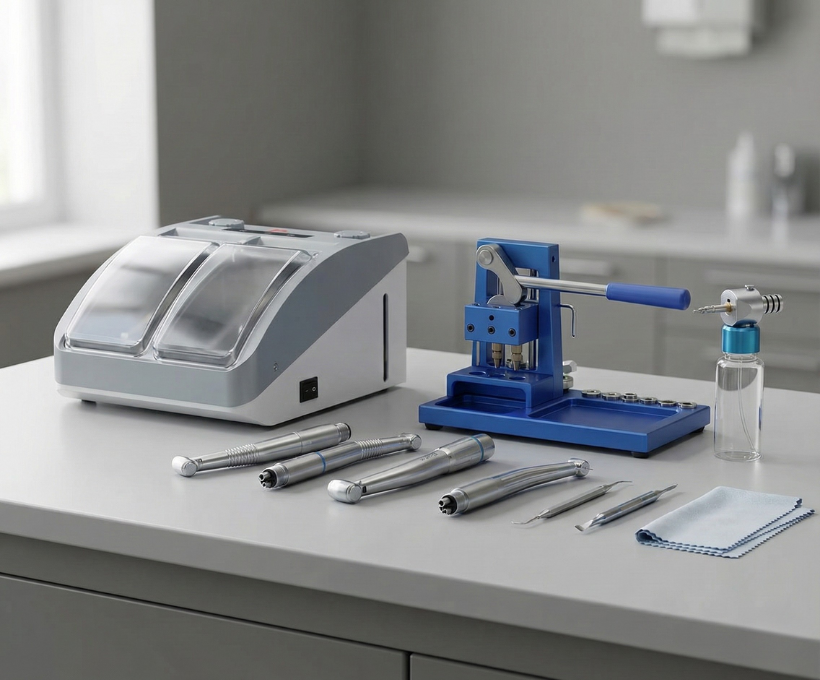
Every dentist knows that their handpiece is more than just a tool — it’s an essential partner in every patient’s treatment. But even the most advanced dental handpieces won’t last long without proper care. Regular dental handpiece maintenance not only ensures smoother performance and patient safety, it also saves clinics from costly breakdowns or premature replacements.
Think of maintenance as preventive care — for your instruments rather than your patients. A few minutes of attention after each use can add years to a handpiece’s working life and keep procedures running effortlessly.
Dental handpieces endure intense stress during daily procedures — heat, moisture, and continuous rotation at high speeds. Without proper cleaning and lubrication, bearings and internal components wear down faster, leading to:
By maintaining your handpieces correctly, you ensure reliability, safety, and precision with every use. Over time, that translates into lower maintenance costs and fewer procedure interruptions — a win for both dentists and patients.
Even high-quality equipment can fail prematurely if daily care is overlooked. Here are the most common culprits:
Early wear is usually avoidable with consistent care routines and trained staff involvement.
Proper maintenance doesn’t need to be time-consuming — consistency matters more than complexity. Integrating the following steps into your sterilization routine ensures optimal function throughout the day.
After every procedure:
Manual cleaning combined with compressed air drying ensures contaminants don’t enter internal mechanisms.
Lubrication keeps the bearings running smoothly, which is vital for both high speed dental handpieces and low speed dental handpieces.
Consistent lubrication dramatically extends bearing life and maintains optimal torque.
Moisture is the biggest enemy of your dental handpiece.
Rotation systems should remain open to air circulation until the next use.
While both types require diligent care, their needs slightly differ.
Proper care for both ensures consistent power and smooth operation throughout their service life.
Effective infection control is non-negotiable in modern dentistry. However, improper sterilization can shorten a handpiece’s lifespan. Follow these best practices:
Remember: sterilization should protect patients and equipment. Proper technique keeps both safe.
Early detection of performance issues can prevent bigger failures. Watch for signs such as:
If you observe these issues, schedule servicing with a qualified technician before continuing use. Timely maintenance extends not just the handpiece’s life, but also your own peace of mind during procedures.
Even well-intentioned routines can slip into bad habits. Try to avoid these:
Regular staff training and clear checklists can eliminate most of these common errors.
Your dental handpieces are an investment in precision, comfort, and reliability. Taking a few minutes each day for proper dental handpiece maintenance ensures consistent performance, reduces downtime, and protects that investment for the long term.
By developing a simple yet consistent care routine, every member of your dental team can contribute to smoother operations and safer, more efficient treatments.
As a trusted dental equipment supplier, Kritika Innovation understands the daily pressures of modern dental practice — and how small steps in dental equipment care make a huge difference in performance and longevity.