Address
304 North Cardinal
St. Dorchester Center, MA 02124
Work Hours
Monday to Friday: 7AM - 7PM
Weekend: 10AM - 5PM
Address
304 North Cardinal
St. Dorchester Center, MA 02124
Work Hours
Monday to Friday: 7AM - 7PM
Weekend: 10AM - 5PM
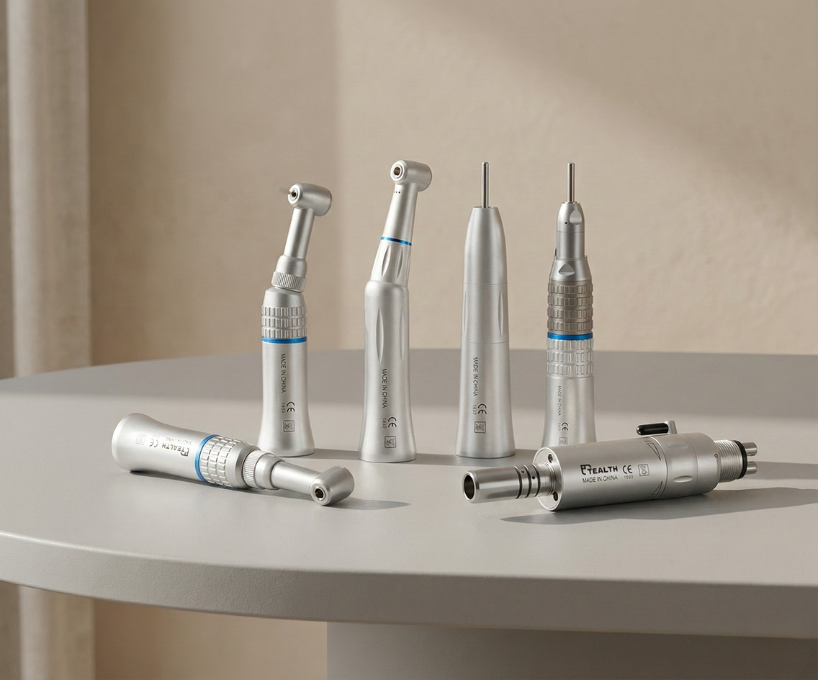
In dentistry, few instruments are as essential or as frequently used as dental handpieces. From cavity preparations to polishing and finishing, these tools are central to nearly every clinical procedure. And while they might look similar at first glance, the real difference between average and quality dental handpieces reveals itself in everyday use — not on the spec sheet.
For dentists, a reliable handpiece isn’t just equipment; it’s an extension of their skill and precision. Let’s explore why quality truly makes a tangible difference in your daily workflow and long-term clinical performance.
Dentistry demands consistency. Inferior tools can disrupt that consistency even in subtle ways. The design, materials, and build quality of your dental handpiece directly impact how smoothly and accurately you can perform treatment.
A well-balanced, finely engineered handpiece gives you better tactile sensitivity and control — essential for fine margins during restorative work. With precision-driven bearings and calibrated torque, you can rely on the handpiece to respond exactly as intended, without lag or drag.
Inconsistent torque leads to uneven cutting and longer chair time. Quality dental handpieces maintain stable speed under pressure, ensuring smoother preparation and less strain on both tooth structure and operator focus. Over time, that reliability builds confidence and efficiency.
Noise and vibration are more than comfort issues — they affect clinical results. Poor-quality bearings or misaligned components amplify vibration, which can cause micro-fatigue in your hands and discomfort for patients. Premium-grade components, on the other hand, deliver quiet, steady motion, supporting both precision and patient reassurance.
Every patient feels the difference too. A high-performing dental handpiece doesn’t just work faster; it works smoother. Reduced vibration, steady torque, and effective cooling translate into less pressure, shorter treatment time, and less discomfort.
This subtle improvement often defines patient satisfaction. In turn, smoother treatments reduce stress for clinicians — creating a more positive experience for both sides of the dental chair.
Dentistry is physically demanding. Hours of precision work, often in awkward postures, can strain hands, wrists, and shoulders.
Well-designed dental handpieces minimize this strain with lightweight construction, balanced grip, and responsive handling. When the handpiece fits naturally in your hand, procedures feel less fatiguing even after a full day of work.
Ergonomic handpieces also help in long-term health. Reduced muscle tension lowers the risk of repetitive strain injury — an important consideration for dentists aiming for sustained career longevity.
It’s tempting to consider lower-cost options, especially for clinics managing multiple operatories or start-up budgets. However, the “true cost” of a handpiece becomes clearer over time.
Savings on the initial purchase can quickly disappear through:
High-quality dental equipment typically offers lower operational costs over its lifetime — fewer repairs, consistent output, and extended usability. The result: predictable performance and more time focused on patient care instead of maintenance calls.
Not all dental handpieces serve the same purpose — understanding their performance expectations helps you choose the right ones and maintain them effectively.
These handpieces handle the most detail-oriented tasks, where accuracy and torque stability are crucial.
Whether for restorative or finishing work, investing in both high and low speed dental handpieces designed for durability ensures consistency across procedures.
Few things disrupt a clinic’s routine like equipment failure. A handpiece that suddenly loses pressure, overheats, or vibrates excessively can interrupt productivity and frustrate both staff and patients.
Investing in quality dental handpieces eliminates much of that uncertainty. Machines built with precision parts require less frequent servicing and maintain peak performance across thousands of cycles. In a busy clinical setup, that translates to:
In the long run, dependable tools form the backbone of efficient, smooth-sailing clinical operations.
Your partnership with the right dental equipment supplier also influences quality outcomes. A knowledgeable supplier understands the realities of clinical workflows — how tools are used, what routine challenges arise, and how design features affect performance day to day.
Working with an experienced partner ensures you receive the right guidance, clear maintenance protocols, and timely support when needed. It’s not just about procurement; it’s about building trust in the tools you rely on most.
Quality dental handpieces are more than a technical choice — they’re an investment in precision, patient comfort, and professional confidence. Whether cutting, polishing, or finishing, the right handpiece supports your skill, protects your posture, and streamlines your workflow.
Over time, the difference between adequate and exceptional becomes unmistakable. By choosing dependable dental equipment and maintaining it properly, you secure smoother performance, happier patients, and a more productive clinical environment.
At Kritika Innovation, we understand that quality isn’t about luxury — it’s about lasting reliability, day after day.


Hi, this is a comment.
To get started with moderating, editing, and deleting comments, please visit the Comments screen in the dashboard.
Commenter avatars come from Gravatar.